What Is Hardscape Restoration (And Do You Need It?)
Your patio, driveway, and walkways take a beating —sun, rain, dirt, algae, and foot traffic all add up. Over time, even well-installed surfaces can look faded, stained, or uneven.
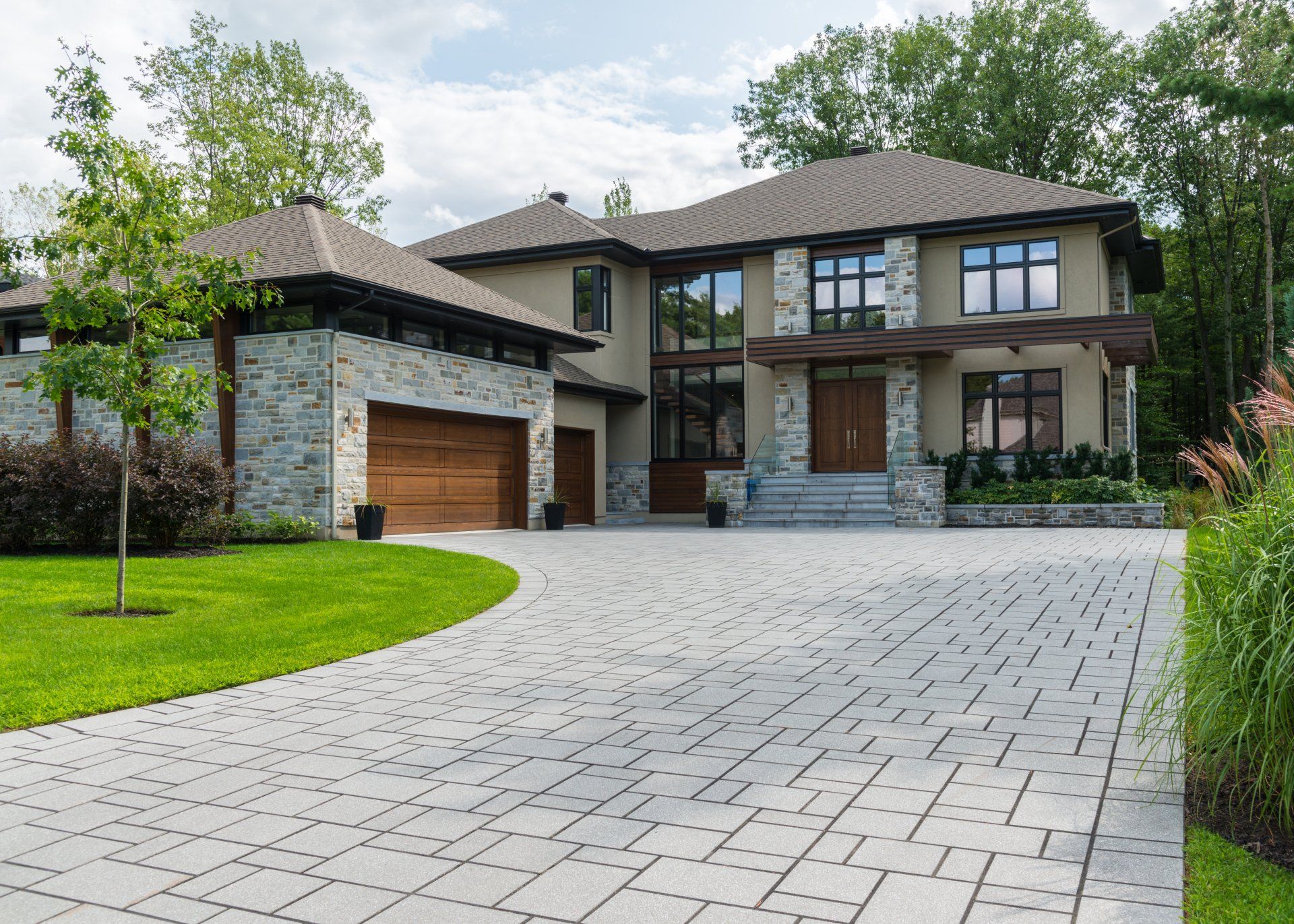
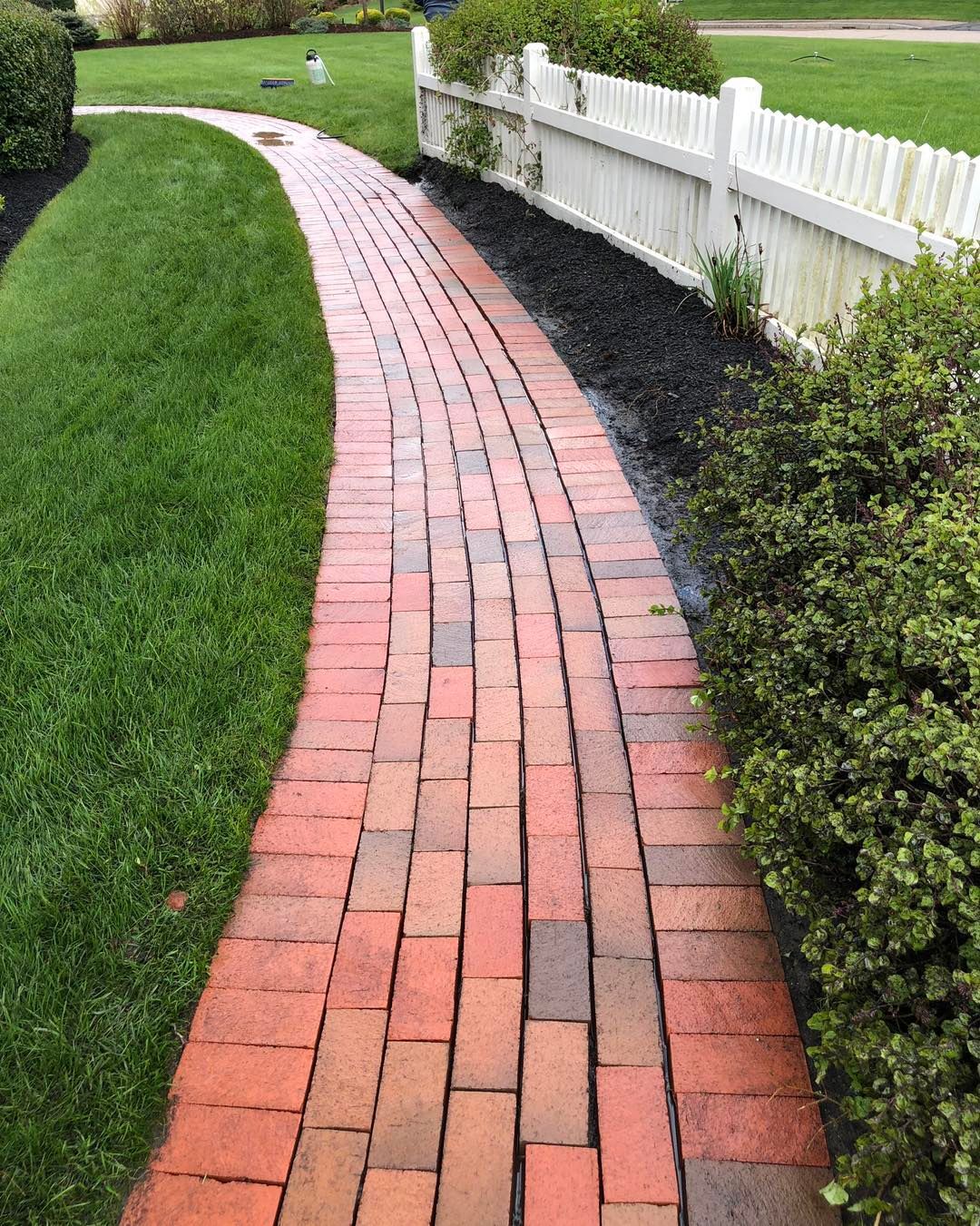
Hardscape restoration is the process of cleaning, repairing, re-sanding, and sealing outdoor surfaces like:
- Pavers
- Natural stone
- Brick
- Concrete
- Retaining walls
The goal? Restore appearance, improve durability, and extend lifespan—without the cost of full replacement.
Signs You May Need Restoration
If you notice any of these, it may be time:
- Faded or dull color
- Weeds or ants in joints
- Uneven or sunken pavers
- Moss, algae, or mildew buildup
- Oil, rust, or organic stains
- Washed-out joint sand
Ignoring these can lead to bigger (and more expensive) structural issues later.
The Restoration Process
Most projects follow four key steps:
- Deep Cleaning - Removes built-up dirt, stains, and growth safely.
- Repairs & Re-Leveling - Lifts and resets uneven or sunken areas.
- Joint Sand Replacement - Adds fresh (often polymeric) sand to prevent weeds and pests.
- Sealing
-
Enhances color, protects against stains, and slows fading.
Why Restore Instead of Replace?
- More affordable than full replacement
- Instant curb appeal boost ✨
- Extends surface life
- Improves safety
- Protects your investment
How Often Is It Needed?
Most hardscapes benefit from restoration every 3–5 years, depending on climate and use.
Regular sealing and maintenance keep surfaces looking their best.
If your outdoor space looks tired, restoration could bring it back to life—at a fraction of
replacement cost.